https://sputnikglobe.com/20260415/russia-china-oppose-western-attempts-to-maintain-hegemony--lavrov-1123989725.html
Russia, China Reject West's Bid to Maintain Hegemonic Grip — Lavrov
Russia, China Reject West's Bid to Maintain Hegemonic Grip — Lavrov
Sputnik International
Russian Foreign Minister Sergey Lavrov said Moscow and Beijing cannot agree with Western efforts to preserve global dominance.
2026-04-15T04:58+0000
2026-04-15T04:58+0000
2026-04-15T08:54+0000
world
china
russia
sergey lavrov
wang yi
xi jinping
russia-china cooperation
people's republic of china
strait of hormuz
us hegemony
https://cdn1.img.sputnikglobe.com/img/07e9/07/0f/1122440804_0:0:3072:1728_1920x0_80_0_0_f757457e059be3b97719020a41376222.jpg
“Blatant attempts by the West, both the United States and Europe, to maintain and even upgrade its hegemony… including the slave trade, colonialism… continue living… at the expense of others,” he said. Lavrov added that “neither China nor the Russian Federation, like the vast majority of countries in the world, can agree with this approach.” He also described the Middle East and the Persian Gulf as “a crisis knot that will be very difficult to untie,” warning that attempts “to simply cut it” are unlikely to succeed.He added that Russia and China reviewed efforts to develop trade, economic and investment cooperation in a way that protects it from “sanctions” and other “illegal methods, coercion, blackmail, dictation.” The Russian diplomacy chief is on an official visit to China on April 14–15. On April 14, he held a discussion with Chinese Foreign Minister Wang Yi that lasted more than four hours and covered a wide range of issues, including bilateral relations and international developments.
https://sputnikglobe.com/20260413/trump-talks-iran-blockade-nukes-peace-negotiations-1123984316.html
china
russia
strait of hormuz
iran
Sputnik International
+74956456601
MIA „Rossiya Segodnya“
2026
Sputnik International
+74956456601
MIA „Rossiya Segodnya“
News
en_EN
Sputnik International
+74956456601
MIA „Rossiya Segodnya“
Sputnik International
+74956456601
MIA „Rossiya Segodnya“
russia-china cooperation, russia-china talks, russia-china relations, russia-china negotiations, lavrov-xi meeting, lavrov-xi talks, lavrov-yi talks, lavrov-wang talks, russia-china alliance, russia-china friendship, us hegemony, multipolar world, petrodollar
russia-china cooperation, russia-china talks, russia-china relations, russia-china negotiations, lavrov-xi meeting, lavrov-xi talks, lavrov-yi talks, lavrov-wang talks, russia-china alliance, russia-china friendship, us hegemony, multipolar world, petrodollar
Russia, China Reject West's Bid to Maintain Hegemonic Grip — Lavrov
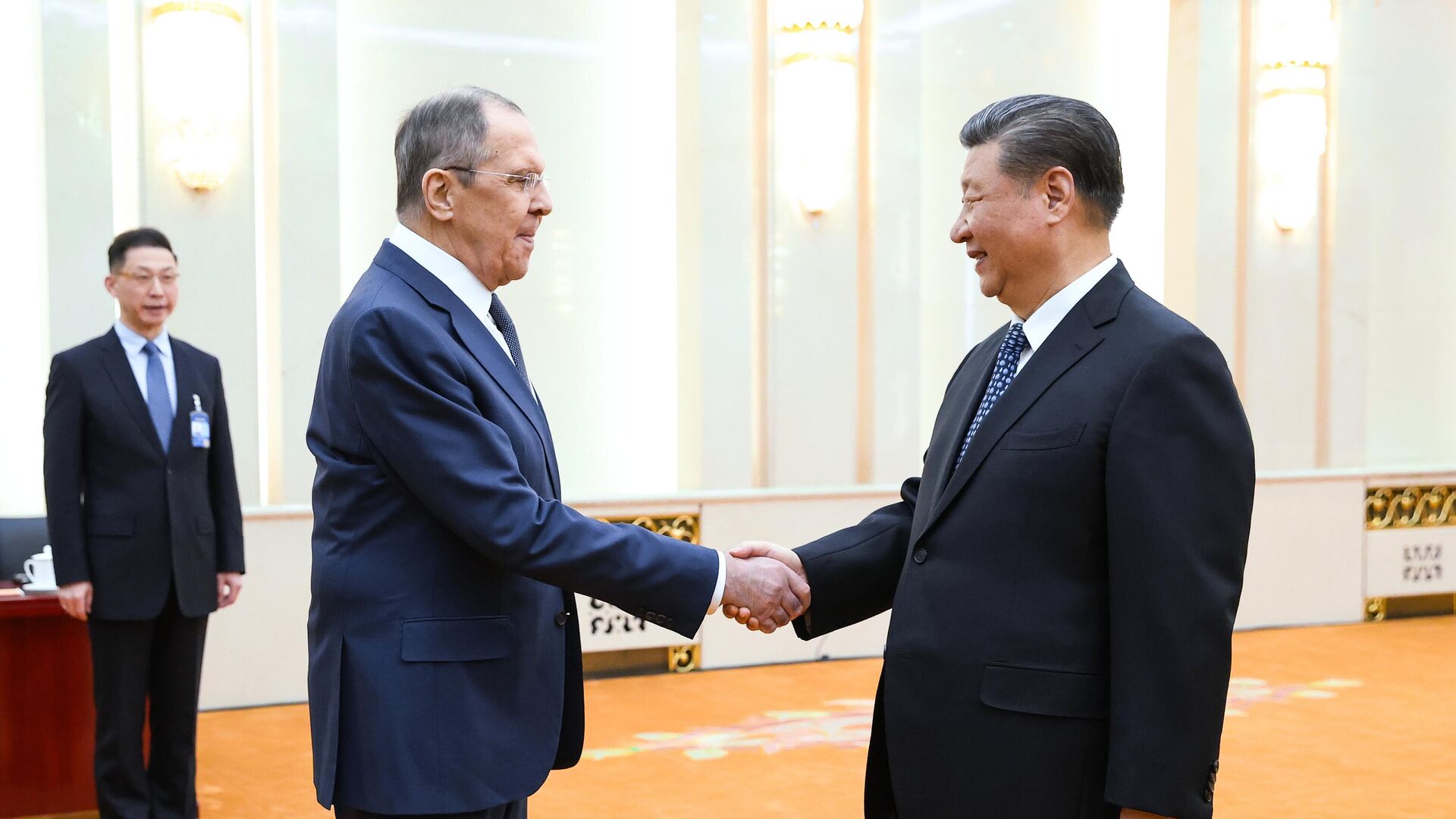
04:58 GMT 15.04.2026 (Updated: 08:54 GMT 15.04.2026) Russian Foreign Minister Sergey Lavrov said Moscow and Beijing cannot concur with Western efforts aimed at clinging to their global dominance.
“Blatant attempts by the West, both the United States and Europe, to maintain and even upgrade its hegemony… including the slave trade, colonialism… continue living… at the expense of others,” he said.
Lavrov added that “neither China nor the Russian Federation, like the vast majority of countries in the world, can agree with this approach.”
He also described the Middle East and the Persian Gulf as
“a crisis knot that will be very difficult to untie,” warning that attempts “
to simply cut it” are unlikely to succeed.
“The international situation… is now being aggravated by the actions of our Western colleagues” in regions including Ukraine, Latin America and the Strait of Hormuz, Lavrov said.
He added that Russia and China reviewed efforts to develop trade, economic and investment cooperation in a way that protects it from “sanctions” and other “illegal methods, coercion, blackmail, dictation.”
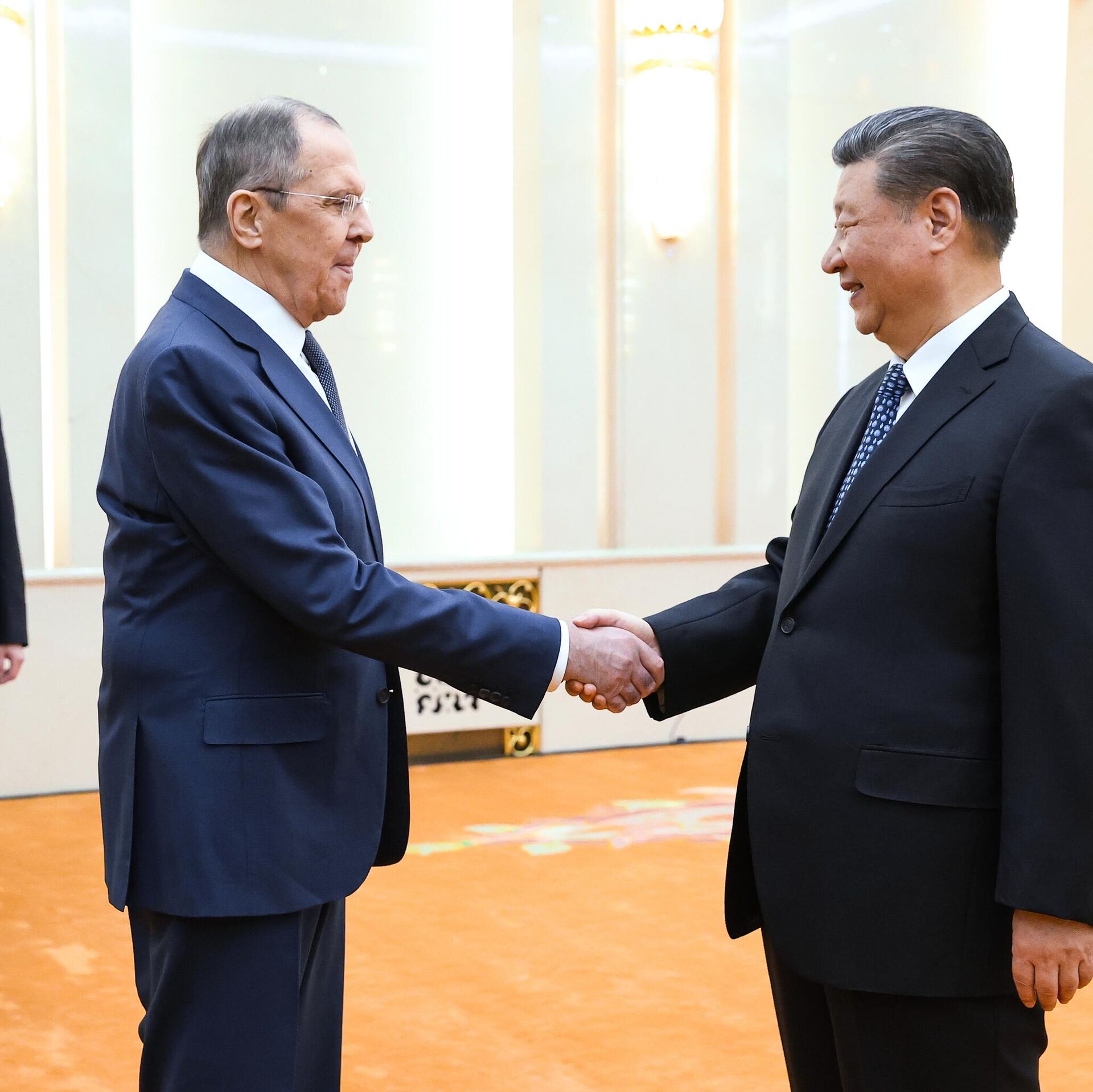
The Russian diplomacy chief is on an official visit to China on April 14–15. On April 14, he held a discussion with Chinese Foreign Minister Wang Yi that lasted more than four hours and covered a wide range of issues, including bilateral relations and international developments.